Blog
Meat Processing Software FAQ for US Meat Processing Businesses
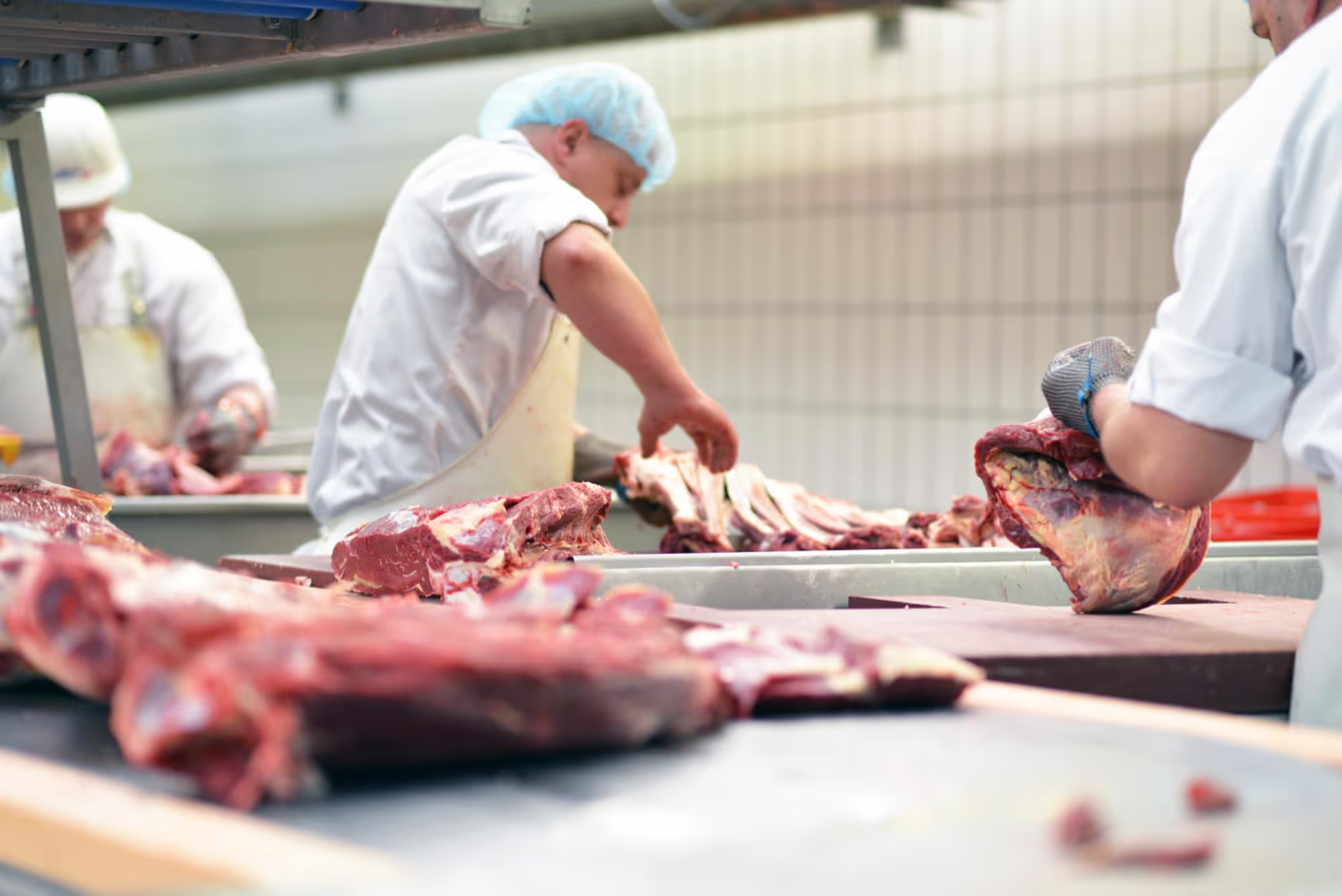
As the meat processing industry in the US is booming, it's crucial to have top-notch software for growth, scalability, and compliance.
To help businesses make informed choices, we've put together the most common questions about primary processing software, Warehouse Management Systems (WMS), Enterprise Resource Planning (ERP), and meat traceability software in this blog.
Our goal is to guide US meat processing businesses in finding the right solutions for their unique needs. If you are looking for a new meat processing software solution and have a lot of questions, this is the right resource for you.
Meat Industry Primary Processing Software Most Common Questions
What functionalities does a primary processing software typically include?
Primary processing software plays a massive role for US meat processing businesses in managing various components of the meat processing plants.
Primary processing software typically includes features for animal tracking, inventory management, production monitoring, and quality control, and often integrates with data analytics.
The Symphony software has been serving the US market for decades and it’s equipped with everything US meat businesses need. It can track animals across all meat processing operations from receiving through the harvest process. With Symphony’s dynamic data capture capability, animal and carcass data can be captured throughout the process.
- Live Animal Receiving
- Ear Tag Retirement
- Dynamic Data Capture
- Live, Hot, and Cold Weight Capture
- Full Carcass Traceability
- Carcass Grading
- Yield Reporting
How does a primary processing software assist in tracking animals from reception to harvest?
Managing a large-scale meat processing facility requires maintaining impeccable organization and ensuring the production of high-quality safe meat products.
Primary processing software enables efficient animal tracking by capturing key data from reception to harvest. Using methods like RFID or barcodes, it assigns unique identifiers, monitors movement and health, and records milestones. The software integrates seamlessly with ERP or WMS for accurate and streamlined tracking, ensuring traceability and safety in the processing workflow.
Can a primary processing software integrate with other systems, such as Warehouse Management Systems (WMS) or Enterprise Resource Planning (ERP)?
Yes, a real primary processing software, like Symphony, should be able to integrate seamlessly with other systems, including Warehouse Management Systems (WMS) and Enterprise Resource Planning (ERP). This integration enhances overall operational efficiency by facilitating a smooth flow of data and coordination between different facets of the meat processing workflow.
What measures does a primary processing software take to ensure compliance with food safety regulations?
Primary processing software ensures food safety compliance through real-time monitoring, precise traceability, and comprehensive documentation of processing activities. Quality control features maintain consistent standards, and automated alerts notify personnel of potential issues for swift corrective action. Robust reporting tools generate detailed compliance reports, facilitating regulatory audits. By integrating these measures, the software supports a proactive and regulatory-compliant approach to food safety in the processing workflow.
How scalable is the primary processing software to accommodate future growth or changes in our operations?
Most primary processing software solutions are scalable to accommodate different date capture points or to allow the solution to scale with the growth of the organization. Most primary processing operations differ, and they can change as a processor grows. Software solutions like Symphony allow processors to capture data across different areas of the kill floor like carcass scales, and grading probes. Some processors will start with a basic setup and they will add more data capture points as they look to gain deeper insights into their operations.
ERP Enterprise Resource Planning Most Common Questions
How can a custom ERP solution improve our overall business processes in meat processing?
A custom ERP solution for meat processing streamlines operations enhances traceability for compliance, and optimizes the supply chain. It offers real-time data access, ensures consistent product quality, and supports regulatory compliance. With automation for cost efficiency and scalability for growth, it provides valuable insights through reporting and analytics. In summary, a custom ERP is a tailored and efficient solution for improving overall processes in meat processing businesses.
What are the key features of Symphony Meat Processing ERP?
- Prevent double entry across meat processing systems
- Send production orders to the plant floor and receive production data back into the ERP
- Integrate with some of the most ERP and Accounting Systems available
- Tailored integration approach to allow integration at any point throughout the process
What specific modules can be customized to accommodate our unique requirements in inventory, order processing, and compliance?
Most ERP systems are configurable to accommodate many requirements around inventory, order processing, and compliance. However, sometimes certain requirements go beyond software configuration and require customization. ERP systems can be customized, but customizations can be costly.
How will the ERP system help us ensure compliance with regulatory standards specific to the meat processing industry?
A special ERP system for meat processing helps us follow the rules by keeping careful records, tracking everything from raw materials to final products, and doing automatic checks. It ensures that our products meet quality standards set by regulators and makes reporting to authorities easier. With features like an audit trail and the ability to customize to specific rules, it's transparent and adaptable. The system also includes training for our team to stay aware and follow the rules, making it a handy tool to meet all the regulations in the meat processing industry.
WMS (Warehouse Management System) Most Common Questions
What is a Warehouse Management System (WMS), and why is it important?
A Warehouse Management System (WMS) is software designed to optimize and streamline warehouse operations, such as inventory management, order fulfillment, and tracking. It is important because it helps businesses improve efficiency, accuracy, and productivity while reducing costs and errors.
What are the key features and functionalities of a WMS?
Key features include inventory management, order processing, picking and packing, shipping and receiving, real-time tracking, reporting and analytics, barcode scanning, and integration with other systems like ERP and TMS. The key features of Symphony WMS include:
- Feature-rich sales order entry
- Pricelist management
- Near-real-time order-picking status
- Complete order fulfillment dashboard
- Quickly print all paperwork for outbound shipments
- ERP and Accounting System Integration
How can a customized WMS optimize our warehouse operations for meat storage and distribution?
A customized Warehouse Management System (WMS) designed for meat storage and distribution can make your operations more efficient. It ensures that meat products are stored at the right temperatures and provides real-time tracking from receiving to distribution, reducing errors and improving order fulfillment. The system helps with quick and precise tracking for regulatory compliance and recalls. By optimizing warehouse space, prioritizing tasks based on product shelf life, and integrating quality control measures, the WMS ensures efficient storage and distribution of high-quality meat products. With automation for repetitive tasks and real-time analytics, it streamlines operations and allows for scalability as your business grows.
Meat Traceability Software Most Common Questions
How does meat traceability software contribute to meeting regulatory requirements and ensuring food safety?
Meat traceability software plays a crucial role in meeting regulatory requirements and ensuring food safety by providing a comprehensive system for tracking the origin, processing, and distribution of meat products. It enables quick and precise identification of each batch or lot, facilitating compliance with regulations related to labeling, documentation, and recalls. In case of a food safety issue, the software allows for swift traceability, helping pinpoint affected products and preventing their distribution. Overall, meat traceability software enhances transparency, accountability, and adherence to regulatory standards, contributing to a safer and more regulated food supply chain.
Can meat traceability software provide real-time traceability in case of recalls or audits?
Yes, meat traceability software should be able to provide real-time traceability, particularly in the event of recalls or audits. In case of a recall, the software should enable quick and precise identification of affected products, allowing for their prompt removal from the market. During audits, the system provides instant access to comprehensive traceability records, showcasing the journey of each batch from its source through processing and distribution. This real-time traceability not only ensures compliance with regulatory requirements but also facilitates efficient and transparent responses to food safety incidents.
Carlisle Technology has specialized in meat processing software and hardware solutions for over 35 years. With our extensive industry experience, Carlisle offers the most complete meat processing software solutions in North America. Contact us today to discuss food processing software solutions with one of our experts.
Written by: Can Malay, SEO Specialist – Carlisle Technology
Sign Up for Our Newsletter!
Receive updates on products, customer stories, and giveaways!
[ctct form="21261" show_title="false"]
Previous Blog Post
Next Blog Post
.jpg)
.jpg)
Let's talk.
Get in touch with our team to find the right solution for your processing plant.