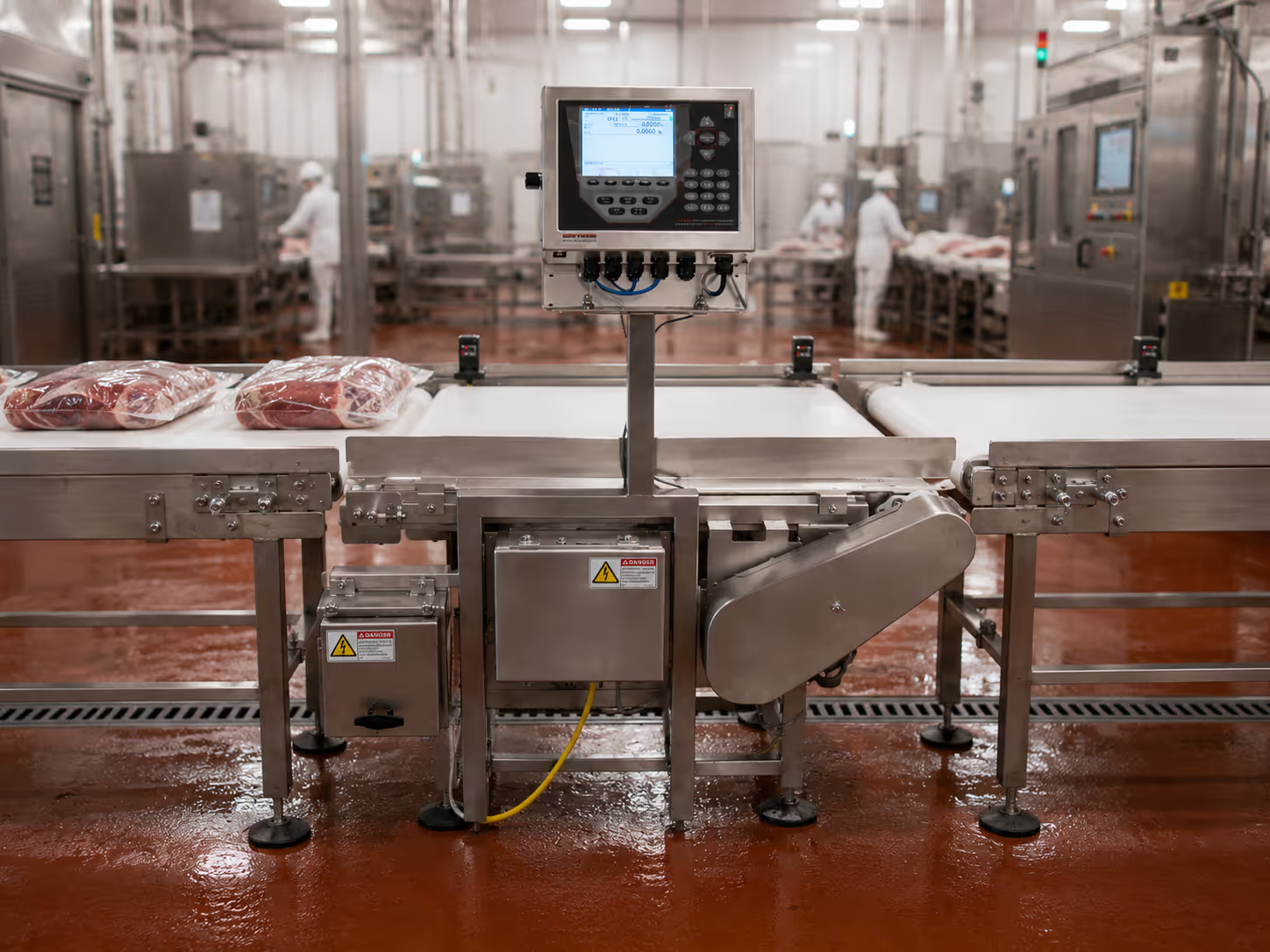
Why Scales and Weighing Systems Matter in Meat Processing
Scales and weighing systems are essential in meat processing, where products are sold by weight. They help processors minimize giveaway, maintain strict quality control, and monitor efficiency and yields, ensuring compliance and profitability throughout production.
Carcass and Batch Yield Management
Scales ensure precise carcass and batch weight tracking, helping meat processors reduce waste, optimize production, and boost profitability.
Integration with Labeling and Traceability Applications
Scales capture accurate product weights for labeling, supporting traceability and helping processors meet strict regulatory compliance requirements.
Accurate Quality Control and Giveaway Monitoring
Checkweighing verifies products meet weight requirements while minimizing giveaway, enabling processors to maintain accuracy, reduce waste, and improve profitability.
Use Cases
Plant Foor Use Cases for Scales and Weighing Systems
Carcass Weighing
Static and in-motion rail scales capture the weight of hanging carcasses on the kill floor, providing essential data for yield measurement. Additional scales track the weight of offal, abscesses, and other factors that impact carcass quality and overall yield.
Catch weight weighing
Most fresh meat processing plants in the U.S. and Canada weigh and label products using catch weight or variable weight, which is then printed on the product label. Accurate weight capture and proper tare weight management are essential to ensure products are labeled correctly and meet compliance standards.
Standard weight weighing
Standard weight labeling is common in the meat industry, especially in further processing plants. It assigns a label weight that differs from the actual net weight. Checkweighing these products ensures they fall within approved tolerances, reducing risks of underweight sales or excessive giveaway. Tight weight control improves compliance, minimizes waste, and protects profitability.
Product
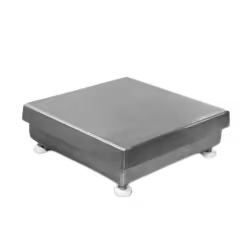
Bench Scales
Rice Lake’s BenchMark Scales have a heavy duty construction that provides ultimate durability, sensitivity, and long life for a variety of demanding weighing environments. BenchMark comes in a wide variety of sizes and capacities to meet most needs.
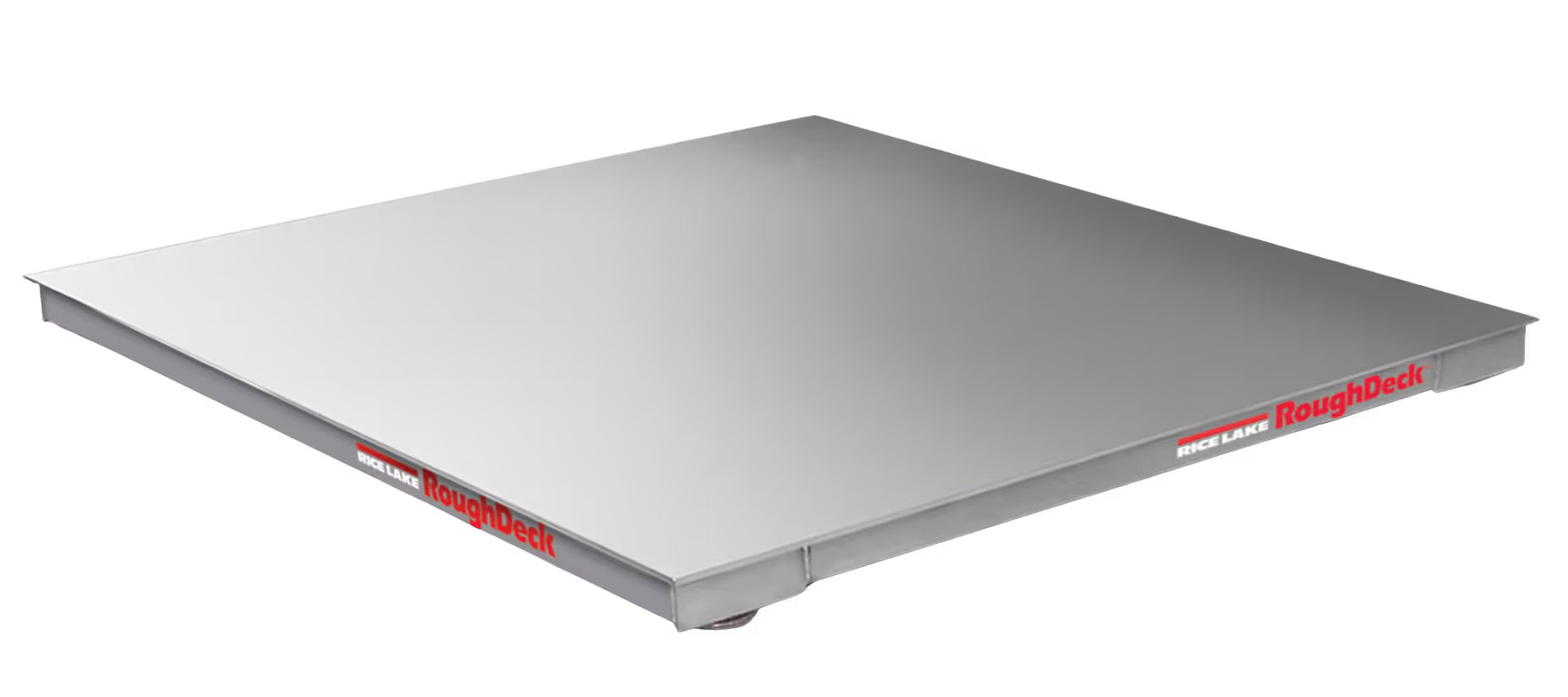
Floor Scales
The Rice Lake RoughDeck HE is a hostile environment, stainless steel floor scale designed specifically to prevent corrosion and provide long life in demanding washdown applications.
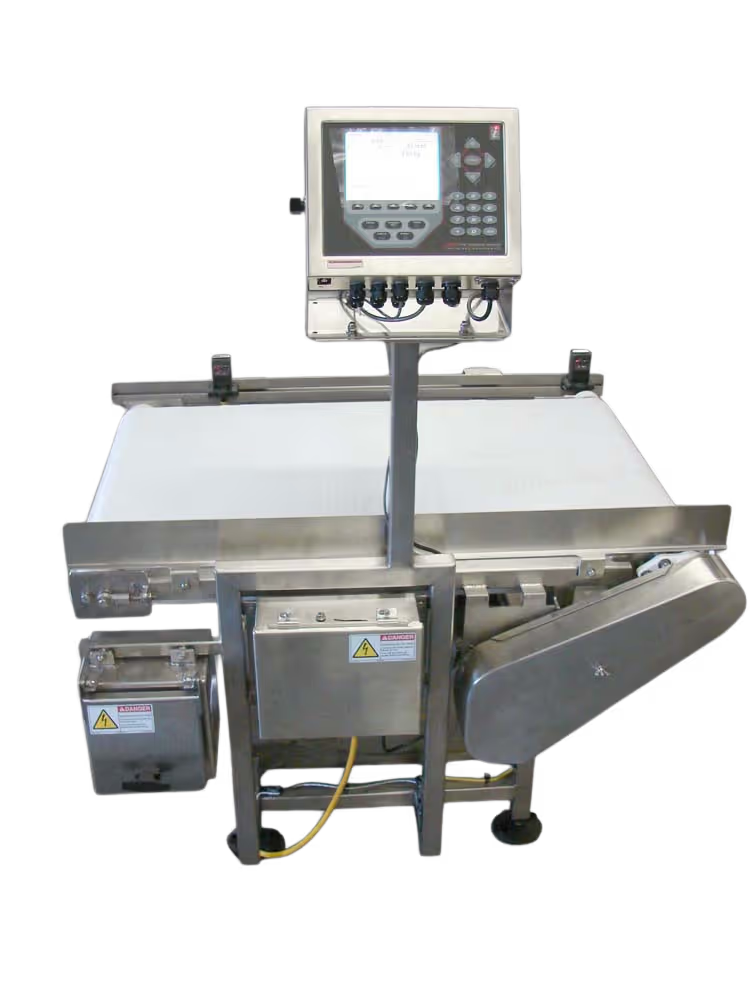
Conveyor Scales
Carlisle offers reliable, food-grade conveyor scales designed for speed and versatility. They handle various box sizes and line speeds and integrate seamlessly with your plant’s existing systems. Each solution is custom-configured to meet your specific operational needs.
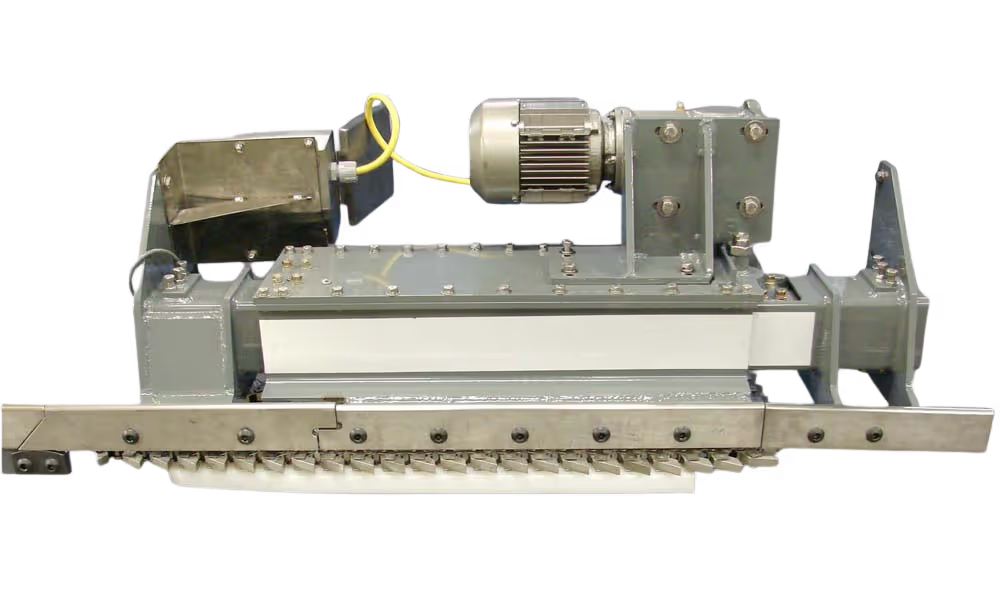
Rail Scales
All Carlisle rail scales are NTEP and Measurement Canada approved, built for high accuracy and in-motion applications. They’re ideal for weighing beef sides, lamb carcasses, and pork carcasses with precision and reliability.
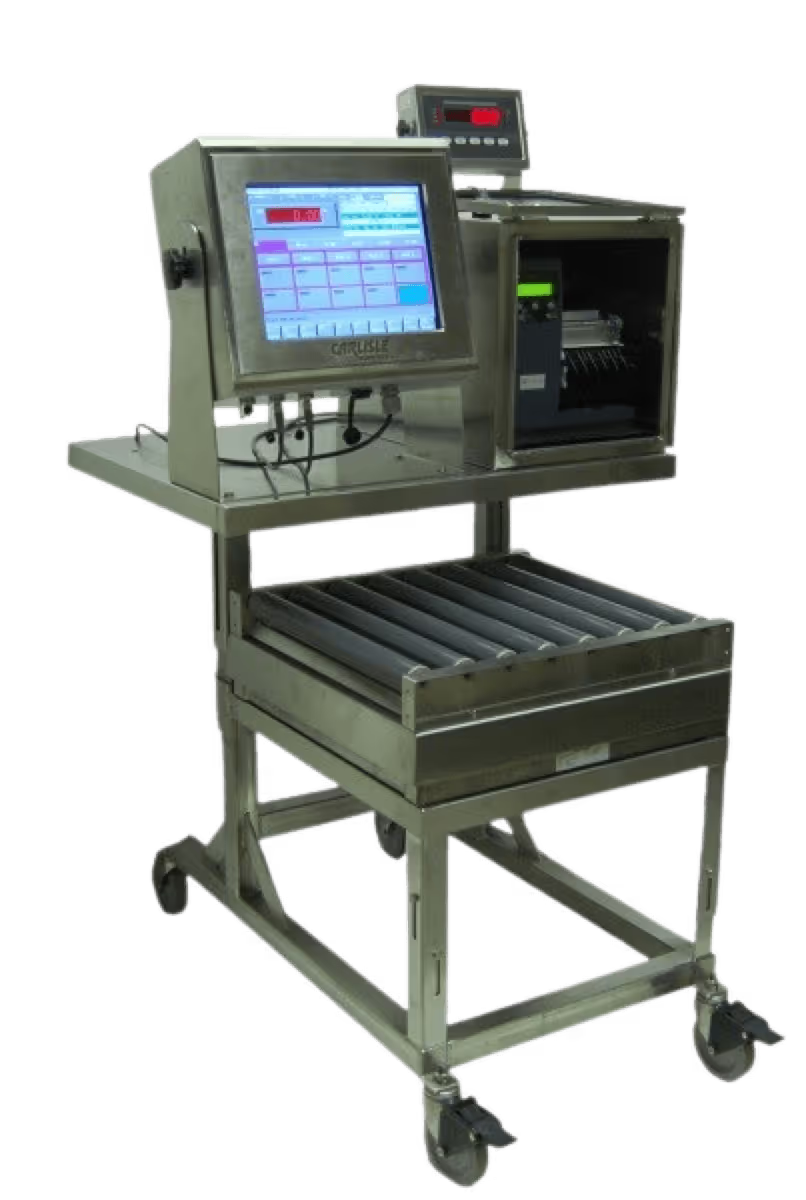
Weighing and Labeling Systems
Carlisle Technology’s weighing and labeling workstations are trusted across the meat industry for their rugged, sanitation-friendly design, ease of use, and reliability in the harshest processing environments. Each system combines scales, printers, and scanners into one integrated, user-friendly solution for efficient weighing and labeling.




Scales and Weighing Systems FAQs
Scales ensure accurate weight measurement for carcasses, batches, and finished products. This helps maintain compliance, reduce waste, and improve profitability.
Scales ensure accurate weight measurement for carcasses, batches, and finished products. This helps maintain compliance, reduce waste, and improve profitability.
Common types include rail scales for carcasses, platform and conveyor scales for boxed products, and floor scales for bulk materials.
Common types include rail scales for carcasses, platform and conveyor scales for boxed products, and floor scales for bulk materials.
Yes. Modern scales integrate with labeling and traceability systems, streamlining data flow and improving operational efficiency.
Yes. Modern scales integrate with labeling and traceability systems, streamlining data flow and improving operational efficiency.
Checkweighing verifies that products fall within approved weight ranges, reducing giveaway and preventing underweight products from reaching consumers.
Checkweighing verifies that products fall within approved weight ranges, reducing giveaway and preventing underweight products from reaching consumers.
Let's talk.
Get in touch with our team to find the right solution for your processing plant.